2023. 3. 7. 21:08ㆍMachine Learning
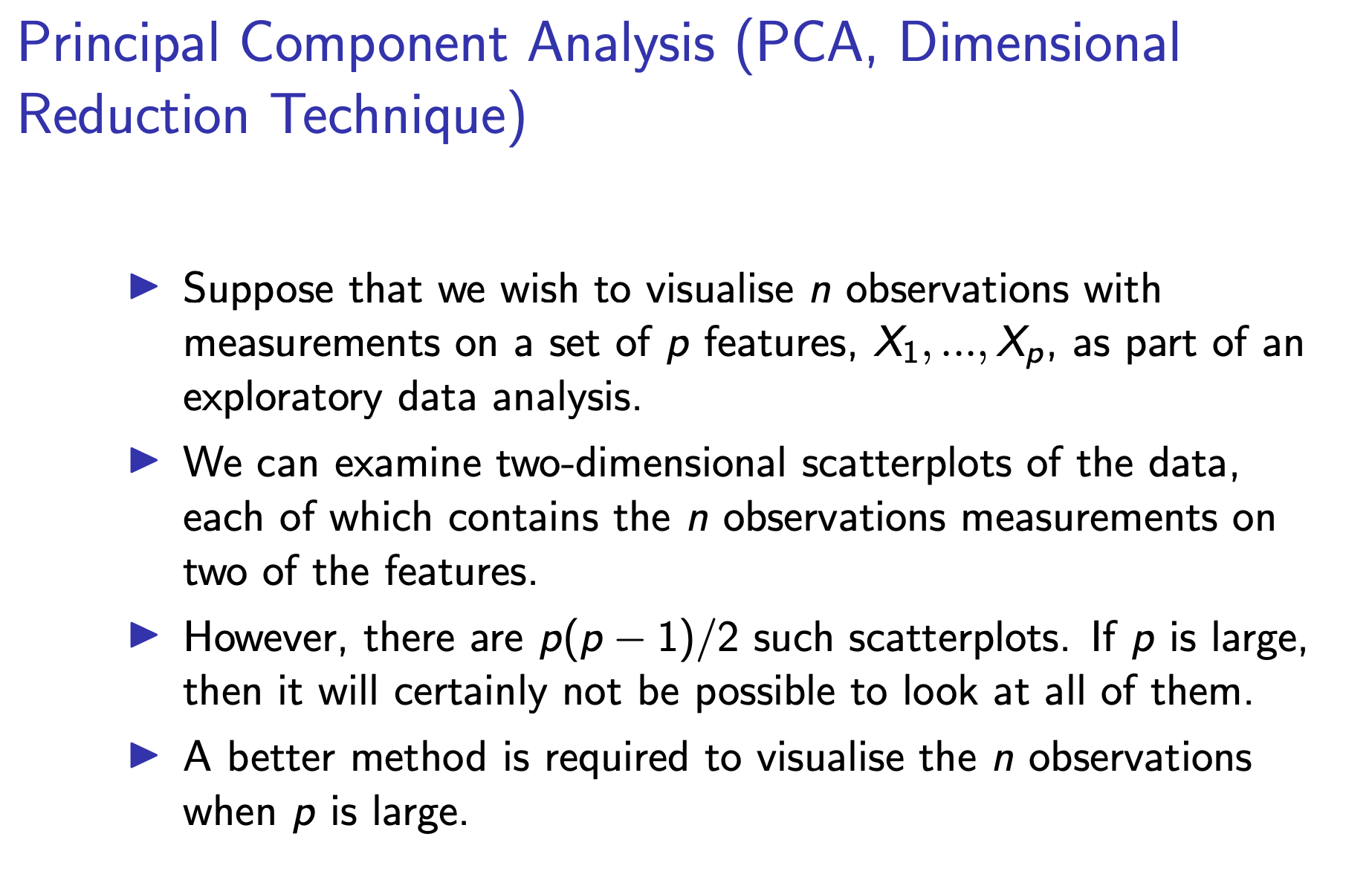
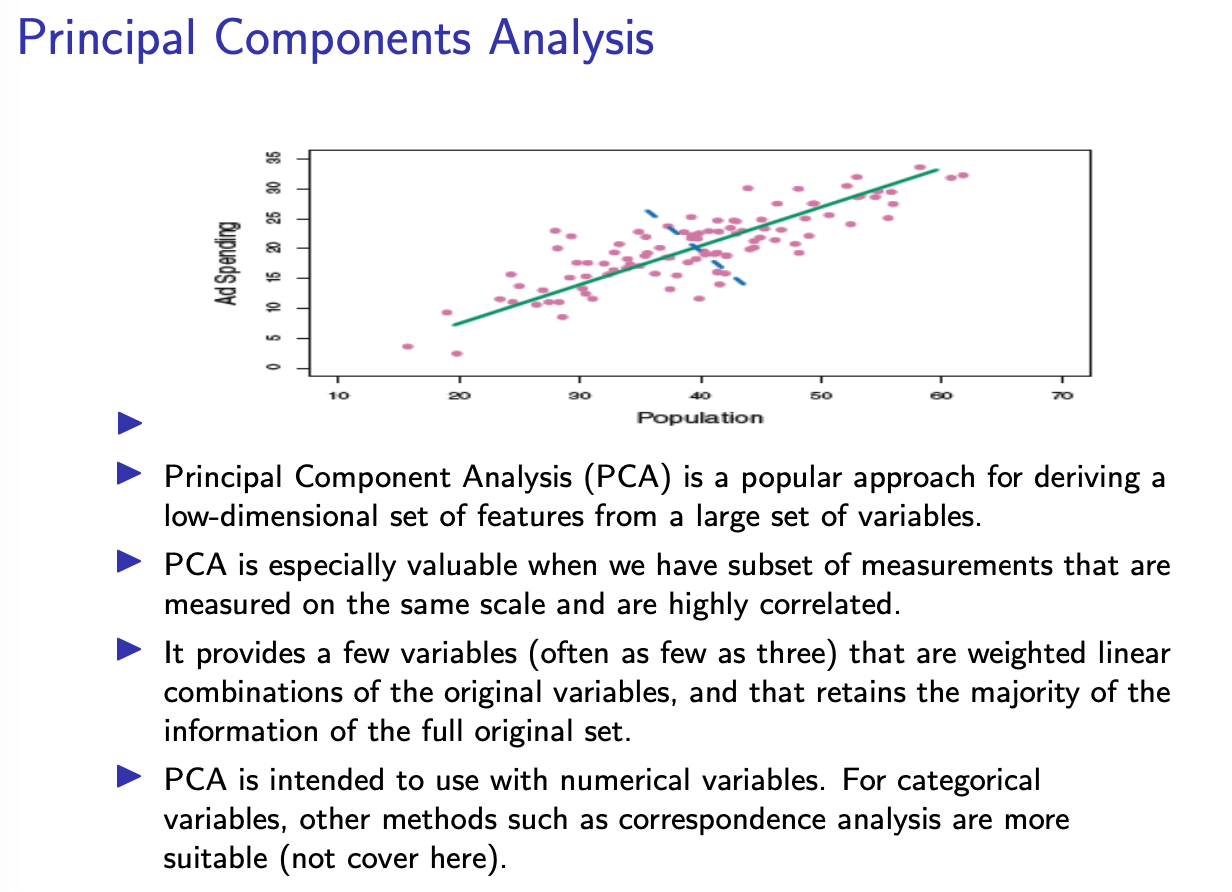
PCA stands for Principal Component Analysis. It is a commonly used technique in machine learning and data analysis for reducing the dimensionality of a dataset while preserving as much of the variance in the data as possible.
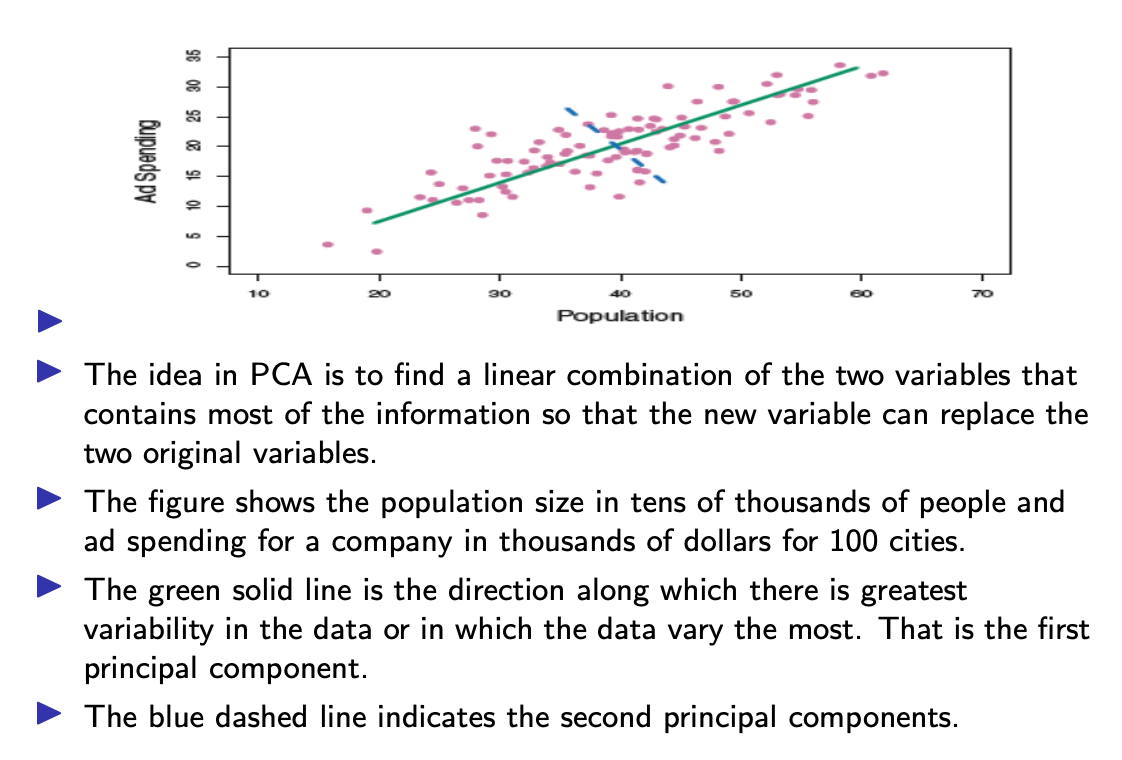
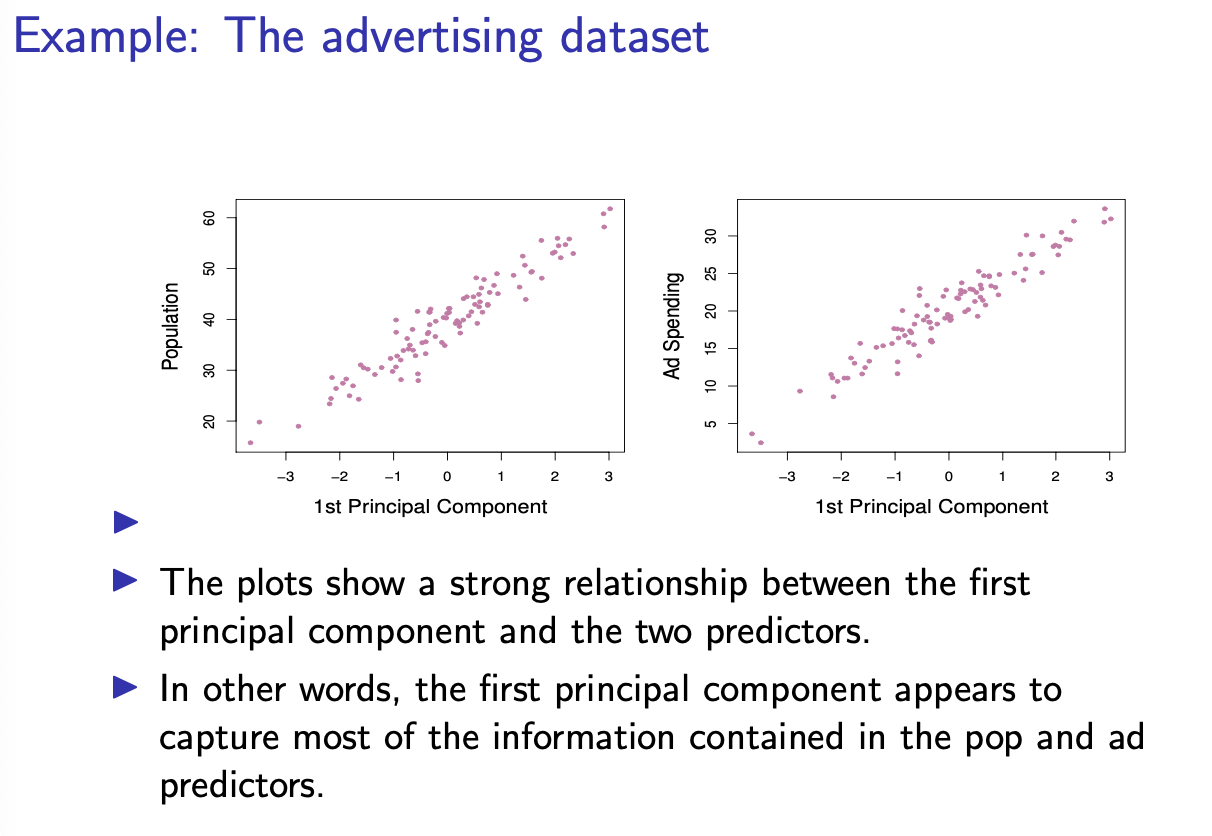
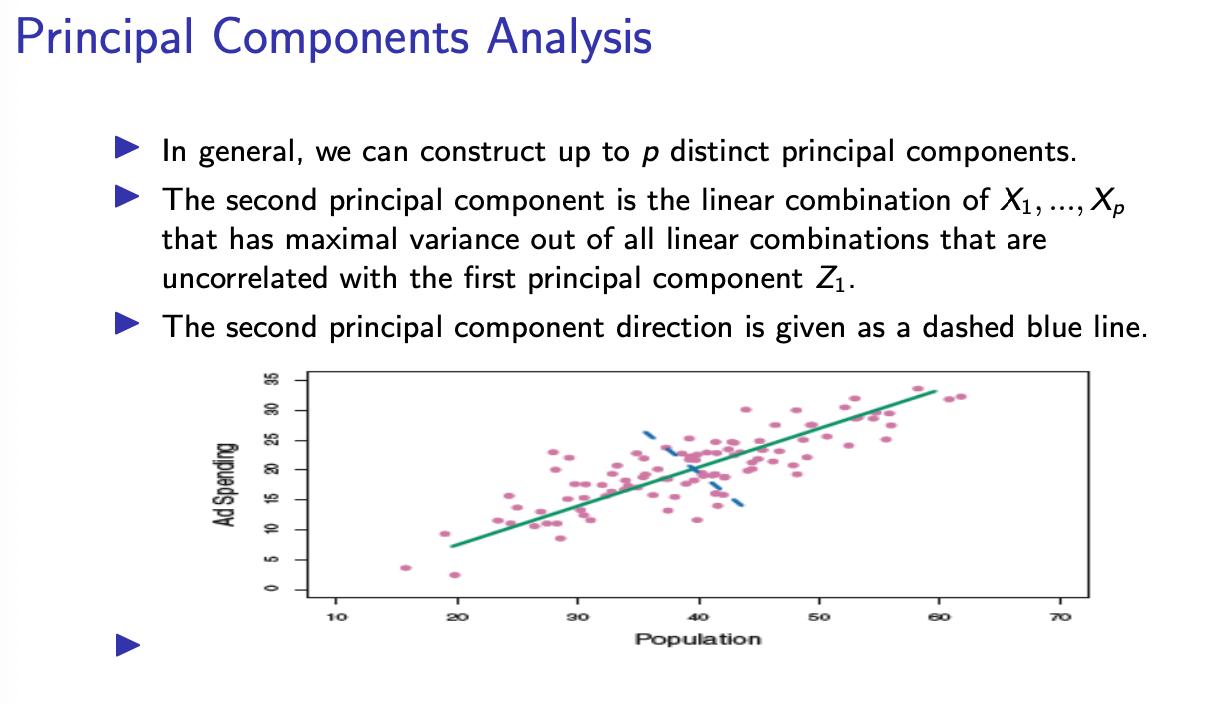
In simple terms, PCA helps to identify patterns and relationships in a dataset by transforming the data into a new coordinate system, where each new dimension (called a principal component) is a linear combination of the original features in the data. The first principal component is chosen to capture the maximum variance in the data, and each subsequent principal component captures as much of the remaining variance as possible.
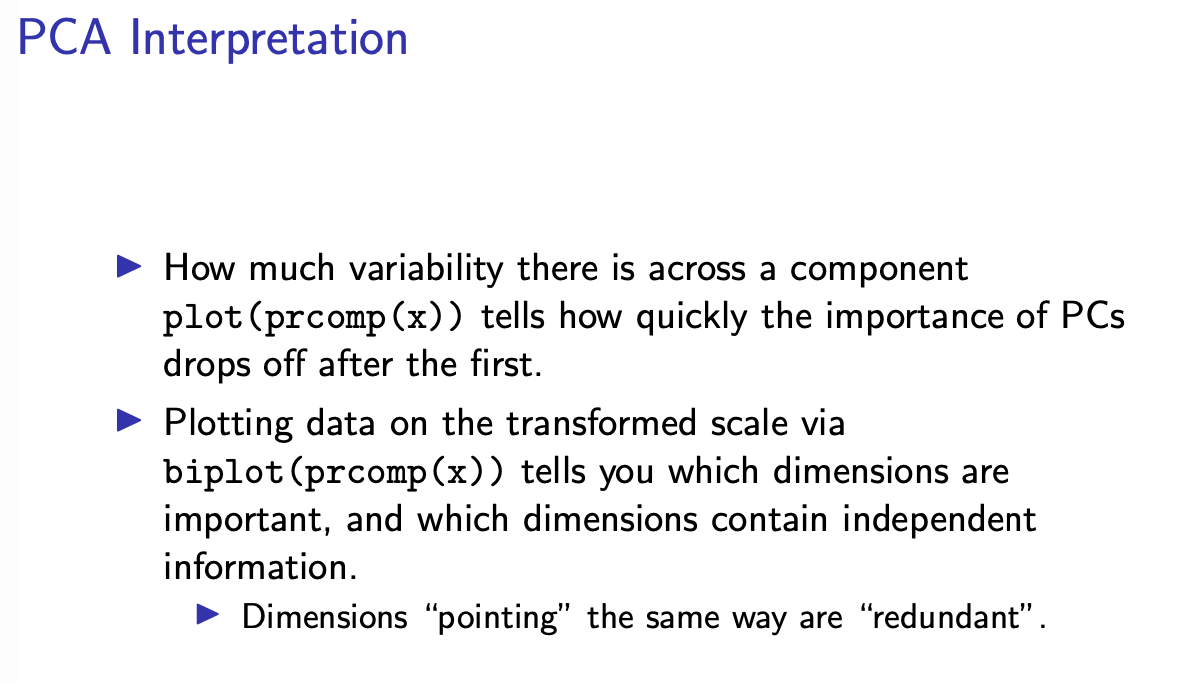
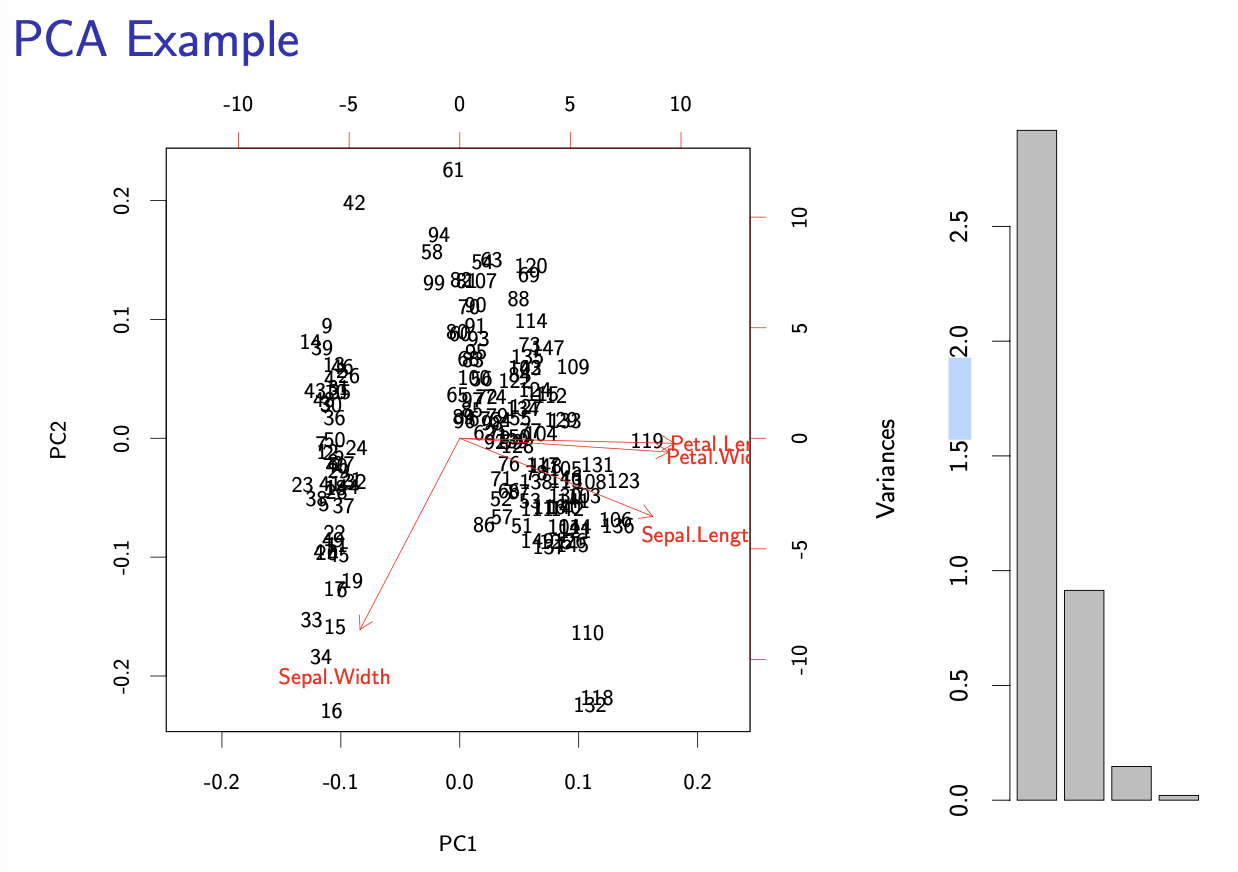
The goal of PCA is to reduce the dimensionality of the data by selecting only a subset of the principal components that capture most of the variation in the data, while discarding the other components that contain less information. This can be useful in cases where the original dataset has many features, making it difficult to visualize or analyze the data, or where the data is noisy or redundant, which can lead to overfitting or reduced accuracy in machine learning models.
PCA is widely used in many fields, such as image processing, computer vision, finance, biology, and more. It is a powerful and flexible tool that can help to uncover hidden relationships and insights in data, and it is relatively simple to implement using widely available software libraries.





'Machine Learning' 카테고리의 다른 글
| What is "Curse of dimensionality" (0) | 2023.03.08 |
|---|---|
| Difference between KNN and LVQ (0) | 2023.03.07 |
| Practice of MLP question (0) | 2023.03.07 |
| What is ROC? (0) | 2023.03.07 |
| What is trade-off between sensitivity (or TPR) and specificity (1-FPR)? (0) | 2023.03.07 |