2023. 3. 1. 21:09ㆍMachine Learning
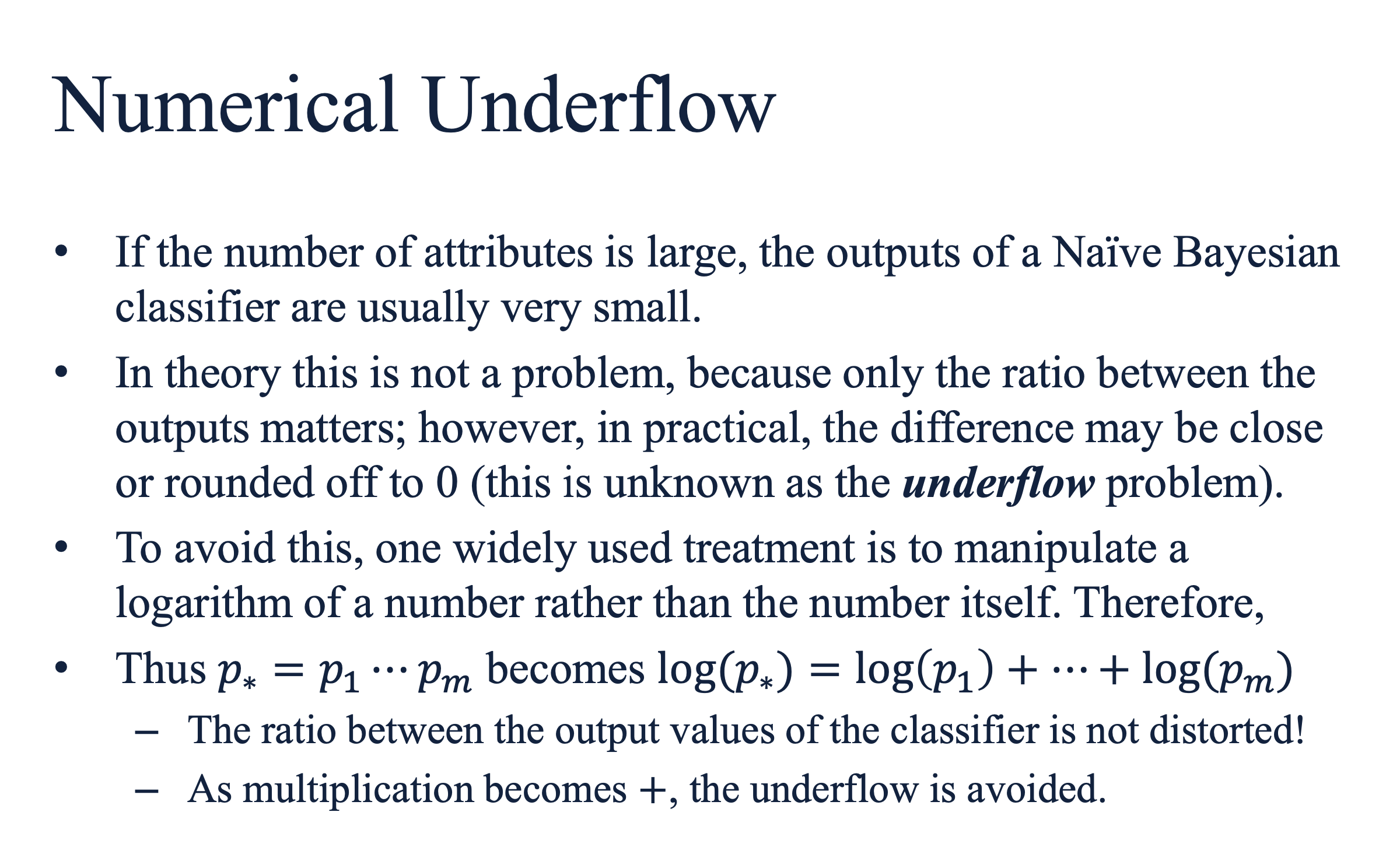
Numeric underflow is a situation in which a numeric value becomes smaller than the minimum value that can be represented by the data type used to store it. In computing, numbers are stored using a finite number of bits, which limits the range of values that can be represented. When a calculation or operation results in a value that is smaller than the minimum representable value, it is said to have underflowed.
For example, if a computer uses a 32-bit representation for floating-point numbers, the smallest possible value that can be represented is approximately 1.4 x 10^-45. If a calculation results in a value smaller than this, the number will "underflow" and may be rounded to zero or replaced with a special value, such as "NaN" (Not a Number).
Underflow can cause problems in numerical algorithms because it can lead to loss of precision and result in incorrect calculations. To avoid underflow, numerical algorithms often use techniques such as scaling the input data, using higher precision data types, or using alternative representations, such as logarithmic or fixed-point arithmetic.
'Machine Learning' 카테고리의 다른 글
| Nearest Neighbor Classifier (0) | 2023.03.02 |
|---|---|
| The main steps of the Apriori algorithm for mining association rules. (0) | 2023.03.02 |
| What is the difference between scaling and normalization? (0) | 2023.03.01 |
| What is the difference between pre-processing and data mining? (0) | 2023.03.01 |
| What is the difference between noise and outliers? (0) | 2023.02.28 |